Most brands leave a trade show feeling good. Busy booth, lots of conversations, a stack of business cards. Then two weeks later, nobody can answer the one question that actually matters: did it work? Companies with average trade show performance generate just 1 marketing-qualified lead for every 7 people engaged at their booth. The gap between high and low performers almost always comes down to one thing: measurement.
This post breaks down exactly how to measure tradeshow booth performance, with real metrics, practical frameworks, and the tracking habits that separate guesswork from results.
Here’s what we’ll cover:
- Why most booth performance metrics miss the point
- The KPIs that actually connect to revenue
- How to set measurable goals before the show opens
- Tracking foot traffic, engagement, and lead quality on the floor
- ROI vs ROO: understanding both and when each matters
- Post-show analysis and how to benchmark across events
- Tools and tech that make measurement easier
Getting performance right starts before the booth is even built. The team at Local Exhibits designs exhibits around measurable outcomes, not just aesthetics. When your booth is built to perform, tracking that performance becomes a whole lot easier.
Why Most Booth Performance Metrics Miss the Point
Here’s a hard truth about trade show effectiveness: counting badge scans is not measuring performance.
Most companies walk away from a trade show with a headcount and call it a day. Total booth visitors, business cards collected, and brochures handed out. These numbers feel productive. But none of them tells your sales team whether the event actually moved your sales pipeline or justified your trade show investment.
The real problem is a measurement gap between activity and outcomes. High booth traffic with zero qualified leads isn’t trade show success. It’s a busy booth that generated no revenue. The brands that consistently measure trade show ROI understand one thing: vanity metrics look good in recap decks and mean nothing in revenue conversations.
What actually gets overlooked:
- Dwell time vs raw visitor count: how long people stayed tells you far more about genuine interest than how many walked past
- Lead quality scoring vs total leads generated: a list of 400 contacts means nothing if your sales team spends weeks disqualifying them
- Pipeline value created vs on-site sales: most B2B sales cycles are too long for on-site deals, so measuring only immediate revenue generated will always undervalue the event
- Engagement depth vs social media engagement volume: ten meaningful product demo interactions outperform 200 casual passersby every single time
Measuring trade show effectiveness starts with agreeing that the goal is revenue generation, not activity. Once that’s clear, the right metrics follow naturally.
The KPIs That Actually Connect to Revenue
To measure trade show ROI with any real accuracy, you need key performance indicators that trace a direct line from booth interaction to closed business. Here’s the framework that works:
Tier 1: Lead Metrics
These are your frontline indicators of trade show effectiveness.
| KPI | What It Measures | Why It Matters |
|---|---|---|
| Qualified leads generated | Leads matching your ideal customer profile | Volume means nothing without fit |
| Lead capture rate | Leads captured / total booth visitors x 100 | Reveals how well your booth converts traffic |
| Lead quality score | Points-based score per lead | Helps sales team prioritize follow-up fast |
| Cost per qualified lead | Total event spend / qualified leads | Tells you the real efficiency of your trade show efforts |
A practical lead scoring model might assign points based on:
- Job title and buying authority (does this person control budget?)
- Company size and industry fit (do they match your target audience?)
- Purchase timeline (are they actively evaluating or just browsing?)
- Engagement level (did they request a demo, ask pricing questions, or schedule a follow-up?)
Tier 2: Pipeline and Revenue Metrics
This is where event marketing connects to actual business outcomes.
- Sales pipeline generated: the total dollar value of opportunities created from trade show leads
- Sales cycle duration for trade show leads: are show-sourced leads closing faster than average? That’s a strong signal of lead quality
- Revenue generated (30, 60, 90 days post-show): attribute closed deals back to specific show interactions in your CRM
- Meetings booked on-site: each confirmed meeting has a measurable cost per meeting that you can track across future events
Tier 3: Engagement Metrics
These don’t connect directly to revenue, but they inform why your lead numbers look the way they do.
- Booth traffic volume and peak hours
- Average dwell time per visitor
- Demo completion rates on interactive displays
- Social media engagement tied to show hashtags and brand mentions
Consider Tier 3 as diagnostic data. If leads generated are low, engagement metrics help you trace the problem back to booth design, positioning, staffing, or messaging.
How to Set Measurable Goals Before the Show Opens
Trade show participation without preset goals is just an expensive networking trip.
The brands that consistently hit their trade show ROI targets set specific, measurable goals weeks before the show floor opens. Not “we want to generate leads.” Something concrete: “We want 80 qualified leads, 15 booked demos, and $300,000 in sales pipeline by day three.”
That specificity changes everything: how your team is briefed, how interactive displays are configured, how leads are captured, and how the sales team follows up afterward.
A Pre-Show Goal-Setting Framework
Here’s the step by step process:
Step 1: Define what success looks like in dollar value
Work backward from revenue. If your average deal size is $20,000 and your close rate on trade show leads is 20%, you need 25 qualified leads to generate $100,000 in revenue. Set your lead target from there, not from gut feeling.
Step 2: Align your trade show strategy with specific marketing objectives
Are you launching a product? Building brand awareness in a new market? Re-engaging existing clients? Each goal requires different success metrics and different booth activities to support it.
Step 3: Set KPI targets across all three tiers
Before the show, lock in targets for:
- Minimum qualified leads per day
- Lead capture rate target (industry benchmark: 25% of booth visitors)
- Number of demos or meetings to book on-site
- Sales pipeline goal for 90 days post-show
- Cost per lead ceiling based on your total event budget
Step 4: Brief your team on qualification criteria
Your sales team on the floor needs to know exactly what a qualified lead looks like before the doors open. Define it together, not after the show when the data is already muddled.
Step 5: Configure your lead capture tools ahead of time
Badge scanners, CRM integrations, lead forms, and follow-up sequences should all be live and tested before the first attendee walks in. Chasing this setup on the show floor costs you leads.
A well-designed trade show booth also supports this process. When Local Exhibits’ team builds out a booth, layout, traffic flow, and engagement zones are all structured around how your team will capture and qualify leads, not just how the space looks.
Tracking Foot Traffic, Engagement, and Lead Quality on the Floor
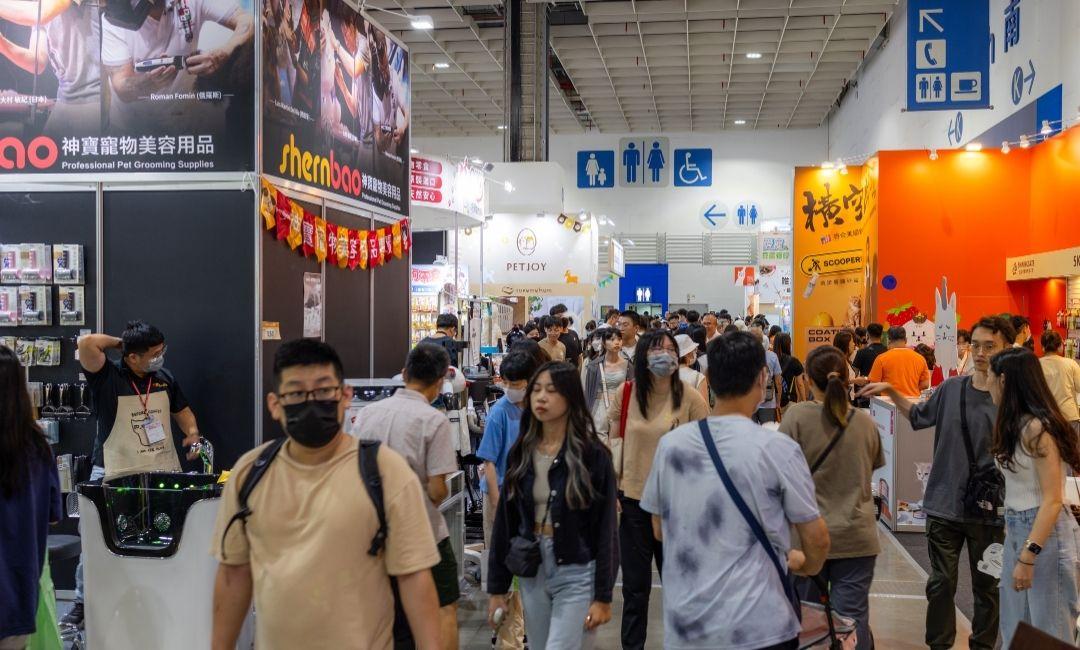
Real-time tracking during the show is where most exhibitors lose data they can never get back.
The instinct is to focus on conversations and worry about measurement afterward. But the best-performing booths run both simultaneously. Here’s how to measure trade show effectiveness while the show is actually happening.
Tracking Foot Traffic
Booth traffic is a baseline metric, not a success metric. You need it to calculate your lead capture rate, so it still matters. Practical methods include:
- Door sensors or clicker counters for headcount at booth entry points
- Badge scanning at key engagement zones (demo stations, meeting areas) rather than just at the entrance
- RFID tracking at larger island exhibits, where multiple entry points make manual counting unreliable
- Staff observation logs for tracking peak hours, which helps you allocate team resources better on days two and three
Track traffic by hour, not just by day. Knowing that 60% of your booth visitors arrived between 10 am and 1 pm is actionable intelligence for future events.
Tracking Engagement Quality
Foot traffic tells you who stopped. Engagement data tells you who cared.
- Interactive displays are one of the most reliable engagement tracking tools available on the show floor. Touch interactions, video views, form completions, and time-on-screen all generate data without requiring manual logging
- Demo completion rate: how many visitors who started a product demo actually finished it? A low rate signals a messaging or flow problem worth fixing
- Conversation depth: train staff to log a quick engagement rating (1-3) immediately after each interaction while it’s fresh. This gives you a fast proxy for lead quality before formal scoring
Tracking Lead Quality in Real Time
Don’t wait until you’re back at the office to qualify your leads generated. Every hour of delay degrades the accuracy of your notes and the warmth of the lead.
The best approach:
- Use a mobile lead capture app with pre-built qualification fields (company size, role, timeline, interest level)
- Score leads on the floor immediately after each conversation using your pre-agreed criteria
- Flag hot leads for same-day or next-morning follow-up by the sales team, even while the show is still running
- Log on-site sales separately from pipeline leads so you can track both revenue streams accurately post-show
Before the trade show, train your team to identify and capture priority leads. Factors such as buying timeline and decision-making authority have an impact on the quality of the lead. Briefing your team on this before the event, not during it, is what separates a high-performing booth from one that just looked the part.
The booth itself plays a role here, too. When the layout of your trade show booth is designed with distinct engagement zones, your team naturally knows where to focus their attention, and attendees self-select into higher-intent interactions without being pushed. That’s the kind of strategic design thinking the team at Local Exhibits brings to every custom exhibit build and rental display they put on the show floor.
ROI vs ROO: Understanding Both and When Each Matters
Most post-show conversations jump straight to ROI. That’s understandable. ROI is clean, numerical, and easy to defend in a budget meeting. But it only tells half the story of your trade show presence.
Here’s the distinction that changes how you evaluate every show:
- ROI (Return on Investment): a hard financial calculation comparing revenue generated against total event spend
- ROO (Return on Objective): a broader measurement of how well you achieved your specific goals for the event, including those that don’t have an immediate dollar value
Calculating Trade Show ROI
The following formula is the standard starting point:
ROI (%) = [(Revenue Generated – Total Event Cost) / Total Event Cost] x 100
For example, if your total event spend was $40,000 and you closed deals worth $120,000 within 90 days of the show, your ROI is 200%.
But this number has one major flaw. Most B2B sales funnels don’t close in 90 days. A lead generated at a January trade show might not convert until Q3. If you only count immediate sales in your ROI calculation, you’ll consistently undervalue your trade show attendance.
A more complete ROI calculation includes:
| Revenue Type | How to Track It |
|---|---|
| Closed deals from show leads | CRM attribution by lead source |
| Pipeline value created | Opportunities opened post-show |
| Upsells to existing clients met at the show | Account notes and CRM tags |
| Accelerated deals (show shortened the sales cycle) | Compare close time vs average |
When ROO Matters More Than ROI
ROO captures the important metrics that don’t show up in a revenue formula but directly influence future trade show performance and brand authority.
ROO is the right primary measure when your goals are:
- Brand recognition and brand exposure in a new market or vertical
- Lead generation volume at the top of the sales funnel, where conversion is months away
- Media contacts made and press mentions earned at the event
- Demo participation rates and product education among potential customers
- Decision makers engaged from target accounts in an ABM strategy
- Social media interactions and content reach generated from the show floor
- Website traffic lift during and after the event as a signal of brand impact
A practical way to track ROO is to score each objective before the show, then score your actual results afterward. If you wanted 10 meetings with decision makers and got 14, that’s a 140% ROO on that specific goal.
Using Both Together
The most useful post-show evaluation combines both. ROI tells you whether the event marketing spend was financially justified. ROO tells you why the numbers looked the way they did, and what to fix for future events.
| Scenario | Primary Metric |
|---|---|
| Product launch at a major show | ROO (brand impact, media coverage, demo participation) |
| Lead generation event for the sales team | ROI (cost per lead, pipeline value, sales generated) |
| New market entry | ROO (brand recognition, booth visits, session attendance) |
| Established annual show with a long history | Both, benchmarked against prior years |
Post-Show Analysis and How to Benchmark Across Events
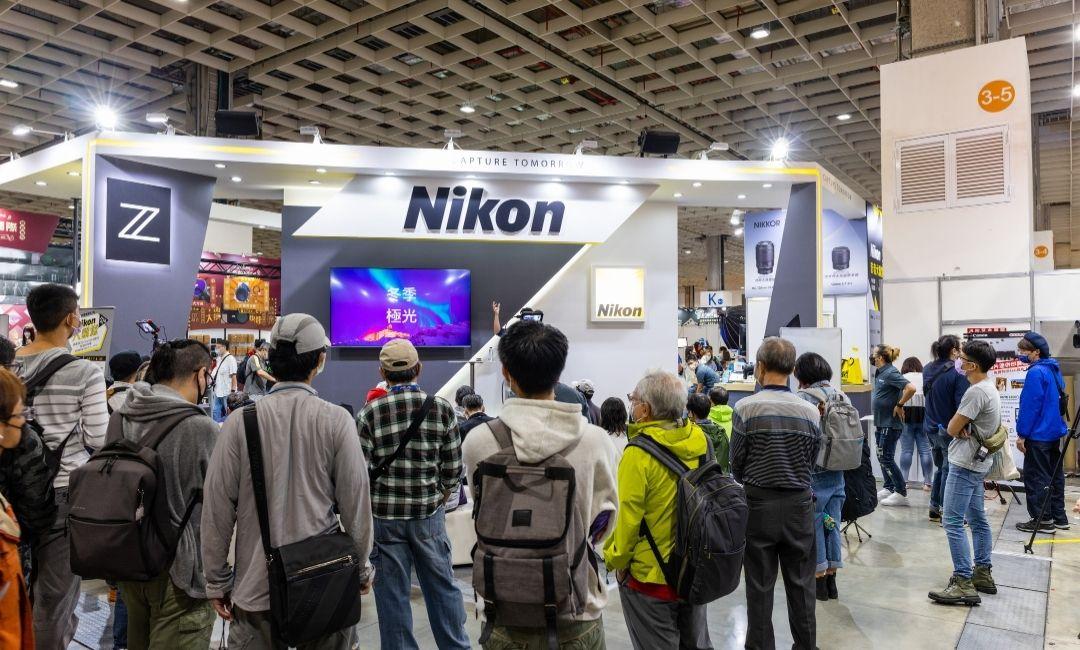
The show ends. The booth comes down. Most teams celebrate, decompress, and move on. That’s exactly where trade show ROI gets left on the table.
Post-show analysis is not a nice-to-have. It’s the step that turns one event’s data into a data-driven strategy for every future trade show you attend.
The Post-Show Analysis Timeline
Speed matters here. The longer you wait, the colder the data gets.
Within 24-48 hours:
- Download all lead capture data and sync to your CRM
- Log final booth visits, demo participation numbers, and engagement scores
- Brief your sales team on hot leads for immediate follow-up
- Export social media interactions and website traffic spikes from show days
Within one week:
- Compile all essential metrics against your pre-show targets
- Debrief with the booth team while observations are still fresh
- Segment leads into tiers: sales qualified leads, marketing qualified, and nurture
- Note any qualitative observations: what drew people in, what messaging resonated, what fell flat
Within 30-60-90 days:
- Track leads through the sales funnel and update pipeline value
- Calculate final cost per qualified lead and event ROI
- Attribute any closed deals back to the show in your CRM
- Note direct traffic and website traffic trends that correlate with the event period
How to Benchmark Across Events
Single-show data is interesting. Multi-show data is valuable.
Benchmarking means tracking the same trade show metrics consistently across every event so you can answer the questions that actually improve your marketing campaign decisions:
- Which shows deliver the lowest cost per qualified lead?
- Which events produce leads that move fastest through the sales funnel?
- Does a larger booth space correlate with more sales, or just more foot traffic?
- Does a booth rental perform differently from your owned exhibit in terms of lead capture rate?
Build a simple benchmarking scorecard that you complete after every show:
| Metric | Show A | Show B | Show C | Average |
|---|---|---|---|---|
| Total qualified leads | ||||
| Lead capture rate (%) | ||||
| Cost per qualified lead | ||||
| Pipeline value created | ||||
| 90-day ROI (%) | ||||
| Avg. dwell time (mins) | ||||
| Demo completion rate (%) |
After three to five shows, patterns emerge fast. You’ll see which events are worth repeating, which booth approaches drive more sales, and where your experiential marketing investments are actually paying off. That’s the kind of valuable insights that make your trade show strategy sharper year over year.
Tools and Tech That Make Measurement Easier
You don’t need an enterprise tech stack to measure trade show effectiveness well. You need the right tools, used consistently, starting before the show opens.
Here’s a practical breakdown by category:
Lead Capture Tools
These replace the business card pile with actual structured data.
- iCapture – mobile lead capture with CRM sync, lead scoring, and follow-up automation built in. Strong choice for teams that exhibit at multiple shows annually
- Cvent LeadCapture – integrates directly with event registration data, which adds session attendance and booth visits context to each lead record
- Exhibitor Online / QuickTap Survey – good for capturing structured lead data with custom qualification fields right on the show floor
Pro tip:pre-build your lead qualification form before the show. The fields you capture determine the quality of your post-show analysis. Generic forms produce generic data.
CRM and Pipeline Attribution
Without CRM tracking, you can’t connect leads generated to closed deals months later. This is where most teams lose their ROI metrics entirely.
- HubSpot – create a trade show campaign tag for every event, track lead source, and build automated follow-up sequences that trigger the moment leads are synced from the show
- Salesforce – campaign attribution objects let you track pipeline value and revenue all the way back to the specific show where the lead originated
- Zoho CRM – solid mid-market option with event tagging and sales funnel reporting
Foot Traffic and Engagement Tracking
- Fast Sensor / Density.io – sensor-based foot traffic counters that measure booth visits without requiring manual headcounts. Useful for larger island exhibits with multiple entry points
- Touchscreen interactive displays with built-in analytics: most modern display systems log interaction time, content engagement, and form completions automatically. This data feeds directly into your brand impact and engagement analysis
- RFID badge tracking – available through most major show general contractors. Tracks dwell time and movement patterns across your booth space with accuracy that manual counting can’t match
Social and Digital Measurement
- Sprout Social / Hootsuite – monitor brand mentions, event hashtags, and social media interactions during and after the show. Track follower growth and direct traffic from social channels tied to your show content
- Google Analytics (UTM parameters) – tag all pre-show and post-show marketing campaign links with UTM codes so you can measure website traffic and direct traffic spikes that correlate with trade show attendance
- Mention.com – tracks press mentions and media coverage in real time, useful for measuring brand authority and earned media value from the show
ROI Calculators and Reporting
- iCapture Event ROI Calculator – purpose-built for trade show ROI, calculates cost per lead and pipeline value using your actual show data
- Tableau / Google Data Studio – if you exhibit frequently, build a live dashboard that pulls in CRM data, lead capture exports, and website traffic. Maximizing trade show ROI across a full calendar of events requires visibility across all of them at once, not one spreadsheet per show
A Simple Tech Stack for Most Exhibitors
You don’t need all of the above. For most teams, this core setup covers the essential metrics:
| Purpose | Tool |
|---|---|
| Lead capture on the floor | iCapture or Cvent |
| CRM attribution | HubSpot or Salesforce |
| Foot traffic | Sensor counter or badge scanning |
| Social monitoring | Sprout Social |
| Website tracking | Google Analytics with UTM tags |
| ROI reporting | Spreadsheet or CRM dashboard |
The right exhibit partner also makes measurement easier from a physical standpoint. When Local Exhibits designs your trade show booth, engagement zones, demo stations, and traffic flow are built into the layout from the start. A booth rental or custom build that’s structured for engagement doesn’t just look better on the show floor. It generates cleaner, more reliable data that makes every one of these tools more effective.
FAQs
How to Measure Trade Show Success?
Successful trade show measurement starts with goals set before the event. Track qualified leads generated, cost per lead, pipeline value, and post-show conversion rates. Compare results against your pre-show targets. The true value of any show only becomes clear when you follow leads through the sales funnel over 30, 60, and 90 days.
What Are the 4 Measures of Performance Success?
The four core measures are lead generation, booth engagement, pipeline value created, and ROI. Together, these key metrics give you a complete picture of whether your trade show presence delivered real business outcomes or just floor activity.
How to Measure the Success of an Exhibition?
Define your objectives first, then track KPIs that align with them. For brand-focused shows, measure brand recall, media mentions, and social engagement. For lead-focused shows, track lead quantity, lead quality scores, and conversion rates. Post-show surveys and CRM attribution round out the picture.
What Is the Average ROI for a Trade Show?
Most companies target a 3:1 return on their trade show investment. ROI varies significantly based on industry, show size, booth design, and follow-up speed. A successful trade show program that tracks leads properly and follows up within 48 hours consistently outperforms the industry average.
What Are the 5 Key Performance Metrics?
The five essential trade show metrics are qualified leads generated, cost per lead, lead-to-opportunity conversion rate, total pipeline value created, and 90-day revenue attributed to the show. These give your sales team and marketing leadership a shared, reliable view of true value delivered from every event.