Exhibiting at your first trade show is one of the most exciting steps a company can take—it’s where brands go from digital visibility to face-to-face connection. But for first-time exhibitors booth setup, the process can feel complex: booth design, logistics, staffing, and deadlines all converge at once.
At Local Exhibits, we’ve guided hundreds of first-time exhibitors through every stage—from early planning to live-event management—across major U.S. cities like Las Vegas, Orlando, Chicago, and Anaheim. Based on our on-ground experience, here’s a comprehensive, real-world exhibit booth setup checklist designed to help you execute your debut show with confidence and precision.
1. Start With a Clear Purpose
Before ordering a booth or booking travel, define why you’re exhibiting. Your goals will shape every decision.
Typical first-show goals include:
- The exhibit booth setup is a crucial step for first-time exhibitors looking to achieve their marketing goals. By effectively organizing your space, you can enhance your chances of generating qualified business leads and launching a new product line. Additionally, a well-designed booth can significantly strengthen your brand presence in a specific market while fostering valuable distributor or partner relationships. Ensuring all elements are in place will set the stage for a successful exhibition experience.
Local Exhibits’ team often starts new clients with a brief workshop session to translate broad goals into measurable targets—for example, “secure 50 demo requests” or “book 10 distributor meetings.”
Clarity here ensures your booth design, messaging, and staffing all point in the same direction.
2. Build a Realistic Budget and Timeline
Trade shows are investments. A realistic budget helps prevent costly surprises.
Your expense plan should include:
- Booth rental or fabrication (purchase vs. rental)
- Graphics and branding
- Freight, shipping, and drayage fees
- Electrical and internet services
- Travel and accommodation
- Promotional items and lead-capture tech
From our experience managing booths at CES and InfoComm, early budgeting reduces last-minute rush orders—the number-one cause of overruns for new exhibitors.
Tip: Add a 10–15% contingency fund for unforeseen needs like extra lighting or replacement prints.
3. Design a Booth That Reflects Your Brand Story
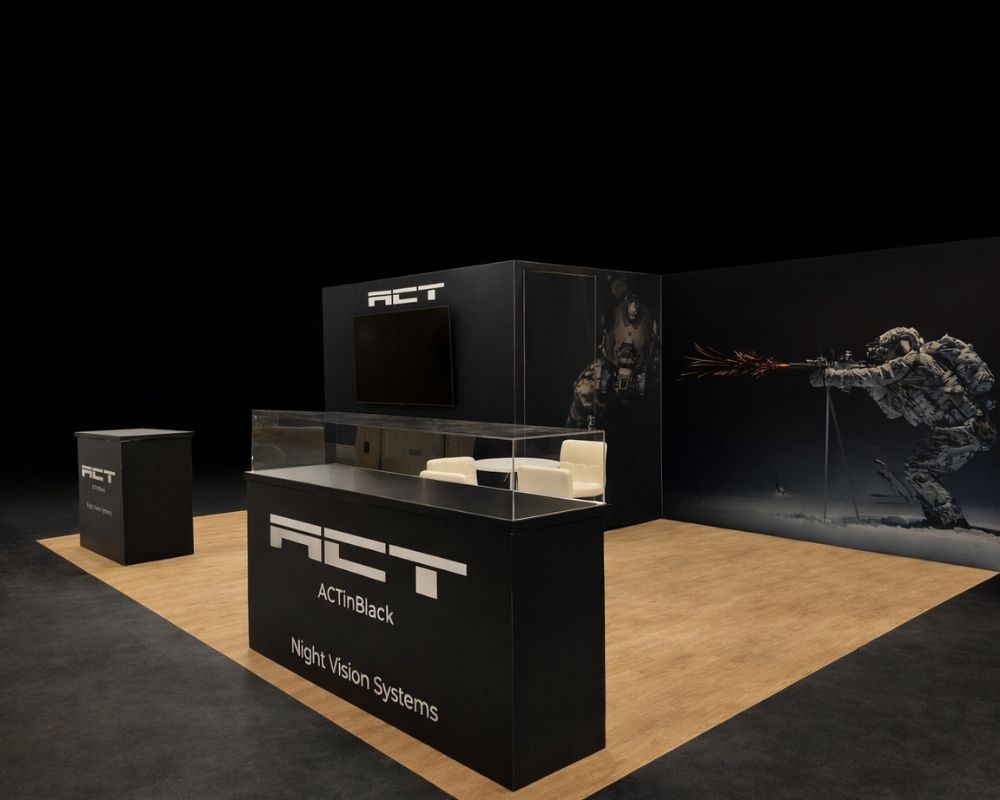
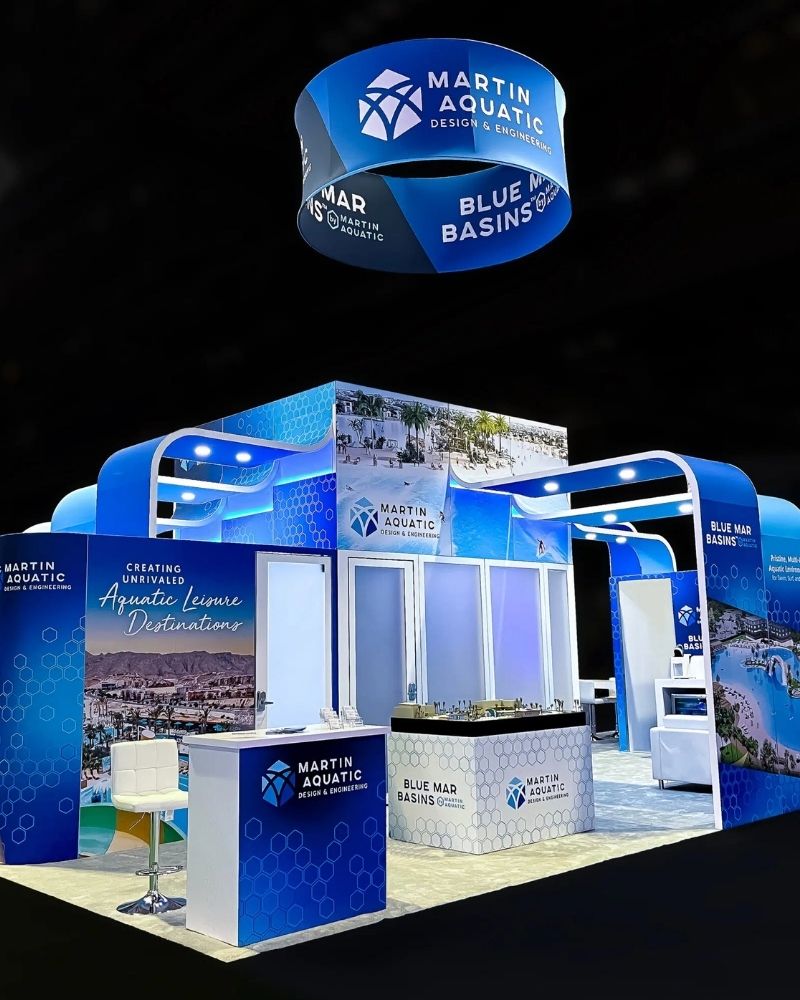
Your exhibit is your brand’s stage. A strong design communicates professionalism before a single word is spoken.
At Local Exhibits, we focus on three design principles:
Clarity: One core message, easily read from 10–15 feet away.
Flow: Open, visitor-friendly layouts with clear entry and demo zones.
Engagement: Lighting, textures, and digital screens that attract attention without overwhelming.
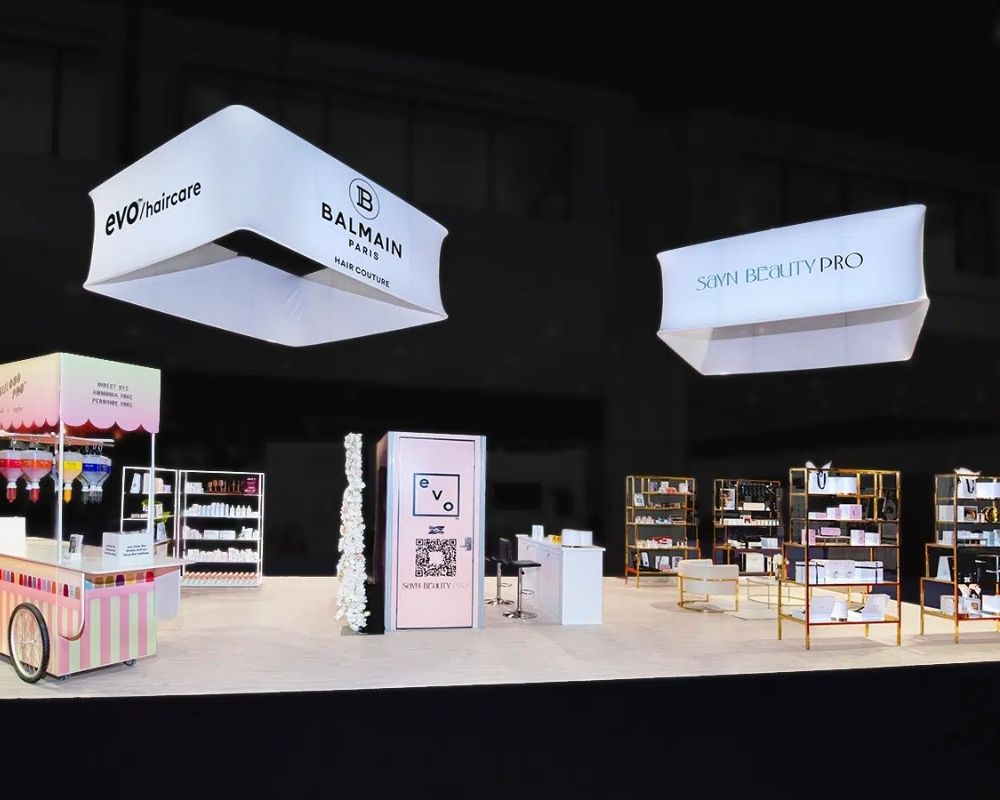
For example, at a recent Orlando tech expo, we created a modular 20×20 booth featuring LED backlit walls and a small demo counter. Visitors could step in naturally and interact without feeling crowded—a booth setup that generated 40% more traffic than static booths nearby.
4. Plan Logistics and Shipping Early
Moving a booth to a convention center is a logistical project in itself.
- Checklist Before Shipping:
- Confirm your show’s target move-in date.
- Label each crate with the company name, booth number, and contact info.
- Verify advance warehouse vs. direct-to-show shipping addresses.
- Keep a digital and printed copy of the Bill of Lading (BOL).
- Arrange for drayage and material handling in advance.
Our logistics division once coordinated a shipment for a client whose crates arrived a day late due to missed warehouse deadlines. Since then, we always ship three days early for first-time exhibitors—a simple buffer that prevents major stress.
5. Choose and Train the Right Booth Team
Your booth staff represents your brand far more than your graphics do. Select team members who are
- Friendly and confident communicators
- Knowledgeable about products and services
- Skilled in identifying real prospects
Local Exhibits often provides pre-show training sessions, covering body language, pitch scripts, and lead-capture techniques. This helps even first-time staff maintain professional consistency throughout long event days.
6. Promote Before You Arrive
A successful exhibit begins weeks before the show. Pre-show marketing increases booth traffic and lead quality.
- Use a multi-channel approach:
- Announce your participation on LinkedIn, Instagram, and via email newsletters.
- Invite key prospects to pre-book meetings at your booth.
- Offer an incentive—such as a product demo slot or giveaway.
- Coordinate with show organizers for inclusion in exhibitor directories or newsletters.
In a recent Las Vegas show, our client gained 30 pre-scheduled appointments simply by emailing a “Visit Us at Booth 414” invitation two weeks ahead—proving small promotions can deliver major ROI.
7. Execute a Smooth On-Site Booth Setup
- When it’s time to set up, stay organized.
- Booth Setup Day Checklist:
- Arrive early with printed floor plans and service orders.
- Verify booth location and power drops before installation.
- Unpack graphics carefully; inspect for transit damage.
- Test all lights, displays, and electronic components.
- Arrange furniture and signage for optimal traffic flow.
- Keep a small toolkit—tape, markers, zip ties, and spare bulbs.
At Local Exhibits, our on-site supervisors often handle installation and dismantling for clients. For first-time exhibitors, having professionals on-site removes booth setup stress and ensures compliance with venue regulations.
8. Engage Visitors Strategically
- Once the doors open, your team’s energy sets the tone.
- Stand at the booth entrance, not behind tables.
- Use friendly, open body language and smile.
- Ask discovery questions (“What kind of solutions are you exploring today?”).
- Offer a demo or short presentation to engage attention.
- Record every interaction using a lead-capture app (avoid relying on business cards).
During one of our client’s first shows in Dallas, they used a quick digital survey at the booth to qualify leads. The system auto-sorted prospects by interest level—saving hours of post-show sorting and improving follow-up efficiency by 60%.
9. Post-Show Follow-Up
- Many first-time exhibitors overlook this phase—but it’s where ROI truly appears.
- Within 48 hours after the event:
- Send personalized thank-you emails to all leads.
- Prioritize hot prospects for calls or demos.
- Share post-event highlights on social media.
- Conduct an internal debrief—what worked and what didn’t.
- Evaluate metrics like total leads, cost per lead, and booth traffic.
At Local Exhibits, we provide clients with a post-show performance report, summarizing booth engagement data and logistics insights—invaluable for planning future events.
10. Review, Store, and Prepare for Next Time
After dismantling, inspect and safely store all booth components. A well-maintained modular exhibit can be reused and rebranded for multiple shows, saving thousands over time.
Our storage facilities across major trade show cities allow clients to reuse exhibits locally, reducing both cost and environmental impact—a growing trend in sustainable exhibiting.
Partner With Experts Who’ve Done It All
Your first trade show doesn’t need to be stressful. With careful planning, the right support, and attention to detail, it becomes an invaluable opportunity to showcase your brand on a professional stage.
Local Exhibits specializes in custom trade show booth rentals, modular exhibit design, installation, logistics, and on-site support across the U.S. We bring practical experience from hundreds of successful booth setups—ensuring your first show feels organized, confident, and results-driven.
Ready to plan your debut exhibit?
Visit abnerm28.sg-host.com/.
Frequently Asked Questions (FAQ)
1. What should first-time exhibitors focus on most during booth setup?
First-time exhibitors should focus on booth layout, clear branding, and staff training. A well-prepared team and an organized booth make the strongest first impression.
2. How early should I plan my exhibit booth setup?
Start planning at least 6–8 weeks before the event. This allows time for booth design, shipping coordination, and team preparation.
3. What common mistakes do first-time exhibitors make?
Common mistakes include late shipping, cluttered booth design, and lack of follow-up strategy. Working with experienced partners like Local Exhibits helps avoid these pitfalls.
4. How can I make my trade show booth stand out?
Use clean design, interactive elements, and lighting to attract visitors. Local Exhibits recommends incorporating brand storytelling visuals and live product demos for higher engagement.
5. Does Local Exhibits provide on-site booth setup assistance?
Yes. Local Exhibits offers complete on-site booth setup and dismantle support for exhibitors nationwide — ensuring every detail runs smoothly from start to finish.