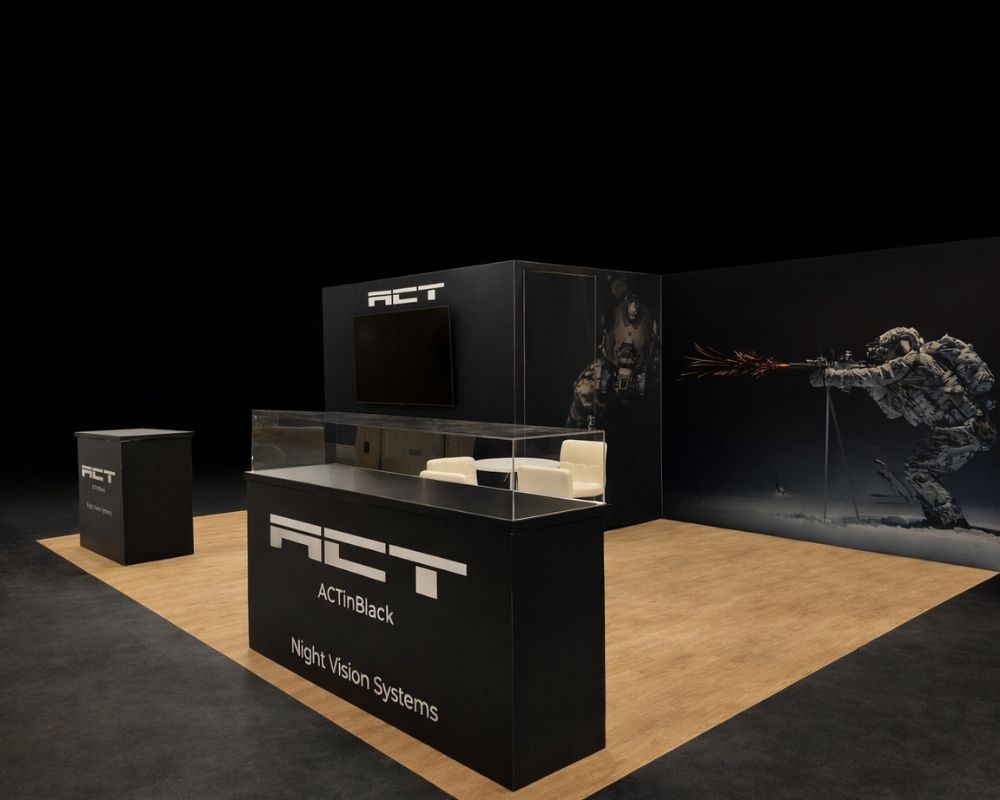
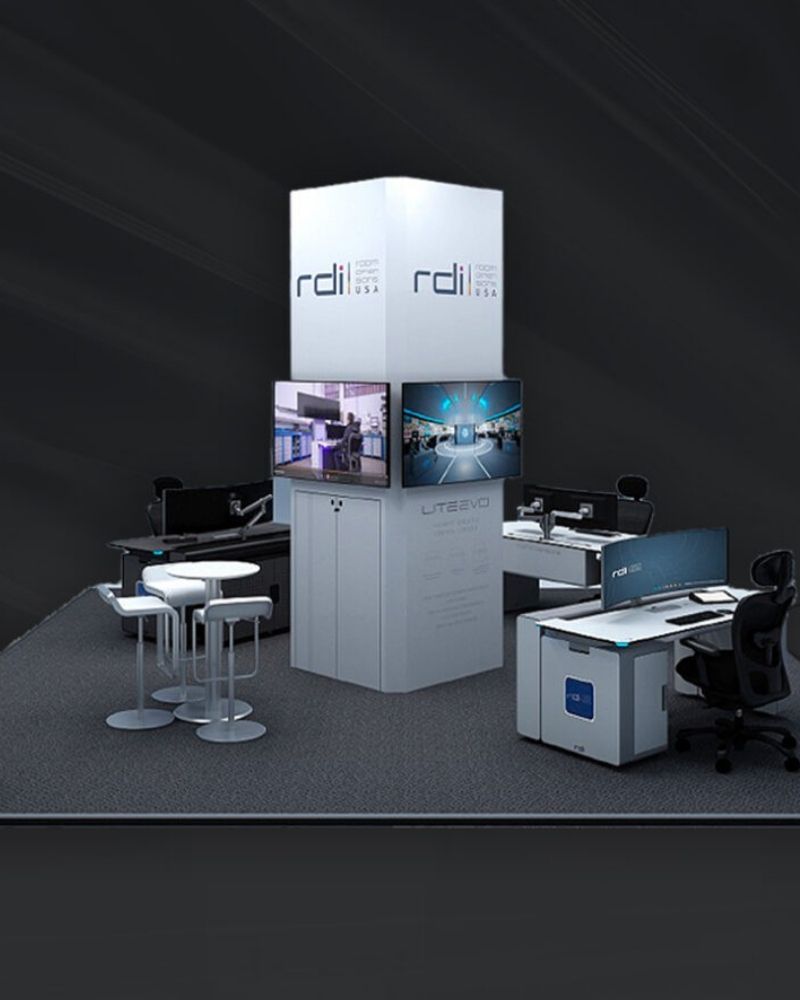
One of the foremost challenges in preparing for any exhibition is the identification of a trade show booth size that is not merely adequate but strategically sound. The geometry of the exhibit influences budget allocations, brand messaging timelines, and the qualitative impression left on the visitor. Available configurations range from compact inline units to expansive custom islands, each engineered to fulfil distinct promotional objectives.
This guide enumerates standard booth formats, identifies their respective strengths, and furnishes metrics to align spatial choices with the anticipated focal purpose of your upcoming exhibition.
Why Trade Show Booth Size Matters
Spatial permission is a key antecedent to the successful enactment of any booth narrative, determining the extent of tactile demonstration, the cadence of visitor interaction, and, ultimately, the durability of visitor recall.
Quantifiable variables to evaluate prior to committing to a specific size include:
Fiscal Contingency: Proportional increases in booth area correlate with escalations in rental fees, custom fabrication, and transport overhead.
Strategic Objective: Clarify whether the primary intent resides in product launch visibility, name-certification, or validated customer acquisition.
Interaction Density: Estimate the anticipated union of exhibit personnel, special guests, and target delegates.
Facility Directives: Ascertain if the host centre imposes limits on vertical elevation, footprint cohesion, or access clearance.
Common Trade Show Booth Sizes
The three sizes listed here represent the most frequently encountered trade show booth footprints and the advantages unique to each.
10×10 Trade Show Booth (100 Sq. Ft.)
The 10×10 booth is the standard starting point for most exhibitors. It provides a compact space that is cost-effective and ideal for small businesses or startups.
Economical in terms of both floor space and rental expense, it is well-suited to businesses in an early stage of growth.
Advantages of the 10×10 Booth
- Low-cost rental, graphic production, and construction.
- Modular kit options simplify logistics and on-site assembly.
- Effectively highlights a single item or core value proposition.
- Minimal personnel requirement garners a favorable labor ratio.
Recommended Scenarios
- New companies evaluating trade show value.
- Introductory product offerings.
- Enterprises constrained by a modest promotional budget.
Tip: Deploy vertical elements, such as retractable banners and overhead shelving, to draw the eye and amplify design impact.
10×20 Trade Show Booth (200 Sq. Ft.)
The 10×20 booth offers double the space of a 10×10, giving you room for more creativity and interaction. It’s a great option for growing businesses ready to expand their presence.Expanded footprints allow for refined visitor experience and integrated brand storytelling.
Benefits of a 10×20 Booth
- Space to incorporate live demonstrations or digital content on monitors.
- Parallel circulation for employees and delegates enhances interaction.
- Larger vertical and horizontal graphic surfaces maximize brand recall.
Best Use Cases
-
Mid-sized companies with multiple product lines.
-
Exhibitors aiming to create interactive experiences.
-
Businesses focusing on lead generation and relationship building.
Pro Tip: Use a mix of open space and structured areas to encourage natural foot traffic flow.
20×20 Trade Show Booth (400 Sq. Ft.)
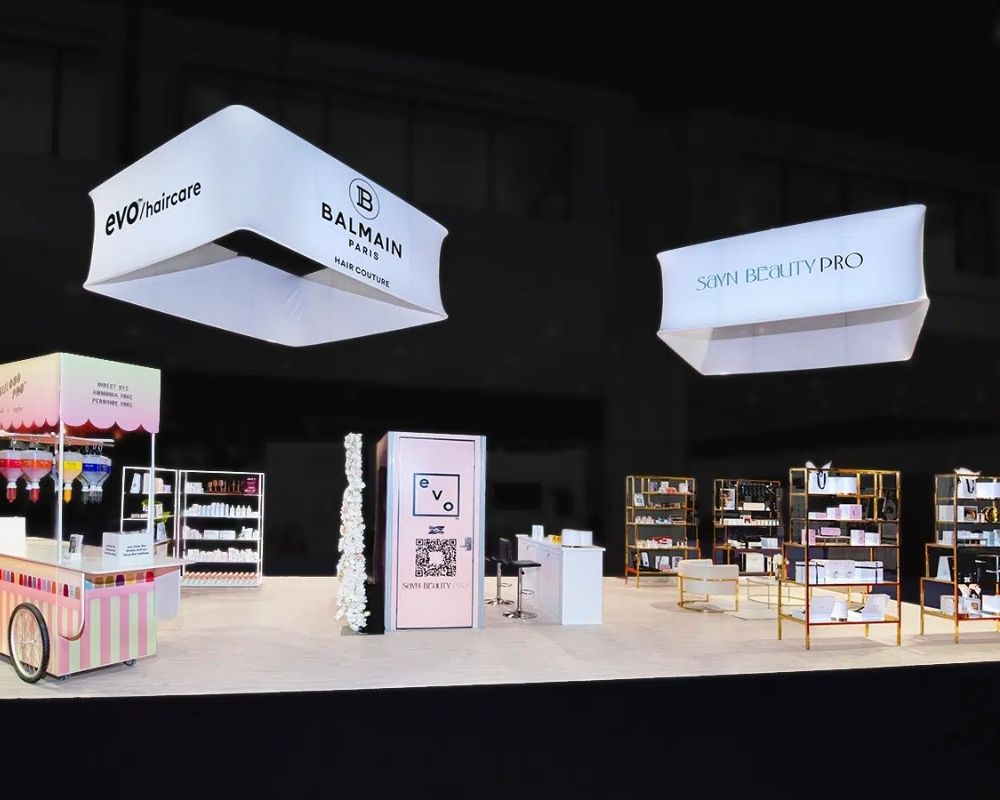
The 20×20 booth is considered the starting point for island exhibits, offering four open sides for maximum visibility. It’s ideal for companies aiming to make a bold statement.
Benefits of a 20×20 Booth
-
Highly visible from multiple directions.
-
Flexibility to include meeting areas, product showcases, and interactive displays.
-
Strong branding presence with large hanging signs.
Best Use Cases
-
Established brands with high foot traffic expectations.
-
Companies launching new flagship products.
-
Exhibitors hosting live demos or presentations.
Pro Tip: Incorporate dynamic elements like LED walls, virtual reality stations, or touchscreens to engage visitors.
Larger Booths – 20×30, 30×30, and Beyond
For businesses aiming to dominate the trade show floor, large booth spaces such as 20×30, 30×30, or even 50×50 are ideal. These booths provide unparalleled room for creativity and customer interaction.
Benefits of Large Booths
-
Space for multiple zones such as product demos, private meeting rooms, and lounge areas.
-
High visibility and authority as a leading industry player.
-
Ability to host live events, workshops, or stage presentations.
Best Use Cases
-
Global brands with extensive product lines.
-
Businesses showcasing heavy machinery or complex technology.
-
Exhibitors who need space for VIP networking and hospitality.
Pro Tip: Hire a professional exhibit design team to fully utilize the space and ensure efficient traffic flow.
Inline vs. Island vs. Peninsula Booths
Apart from size, booth layout type also plays a role in your trade show success.
-
Inline Booths: Positioned between neighboring booths, typically 10×10 or 10×20.
-
Island Booths: Open on all four sides, offering maximum exposure, usually 20×20 or larger.
-
Peninsula Booths: Open on three sides, offering a blend of visibility and privacy.
Each type influences how attendees engage with your brand and should be chosen based on your marketing strategy.
Tips for Choosing the Perfect Booth Size
- Assess Your Goals: Define whether you want to increase awareness, showcase products, or focus on lead generation.
- Consider Your Budget: Balance booth size with design, staffing, and marketing costs.
- Analyze Past Data: Review past trade show performance to estimate required space.
- Plan for Growth: Choose a scalable design that can expand for future shows.
Choosing the right trade show booth size is essential for maximizing your return on investment and creating a memorable visitor experience. Whether you start with a 10×10 booth or go big with a 30×30 island exhibit, focus on aligning your space with your brand’s goals, audience, and budget.
Investing in the right booth size ensures you stand out, attract qualified leads, and achieve lasting success at your next trade show.
Frequently Asked Questions
Q1. What size booth should I choose for my first trade show?
If you are a first-time exhibitor, start with a 10×10 or 10×20 trade show booth size. These sizes are budget-friendly and allow you to test your trade show strategy without overspending.
Q2. What is the difference between a 10×20 and 20×20 booth?
A 10×20 booth has a rectangular layout, ideal for inline displays, while a 20×20 booth is a square-shaped island exhibit with four open sides, providing higher visibility and more room for interaction.
Q3. How much space do I need for product demonstrations?
For live demos, consider a 10×20 booth or larger. A 20×20 booth or above is ideal if you plan to host multiple demos or accommodate large audiences.
Q4 What are the standard trade show booth sizes?
The most common trade show booth sizes are:
-
10×10 – Ideal for startups or small businesses with limited budget.
-
10×20 – Provides more space for product displays and visitor engagement.
-
20×20 – A popular island booth option for medium to large companies.
-
30×30 or larger – Perfect for brands wanting a major presence at large trade shows.
Q5 How do I choose the right booth size for my business?
Choosing the right trade show booth size depends on:
-
Your budget – Larger booths cost more for space, design, and logistics.
-
Your goals – Are you showcasing products, networking, or building brand awareness?
-
Expected foot traffic – Larger spaces allow more interaction.
-
Event rules – Some shows have restrictions on booth heights and layouts.
Q6 What is the most popular booth size for trade shows?
The 10×10 booth is the most common choice for small businesses and first-time exhibitors, while 20×20 booths are popular with mid-size companies. Many large brands prefer 30×30 or custom island booths to make a strong impact.
Q7 Can I rent a booth in different sizes?
Yes! At Local Exhibits, you can rent or purchase booths in all standard sizes, including custom dimensions. Rentals are perfect for companies attending multiple events with different space requirements.
Q8 What’s the difference between inline, peninsula, and island booth sizes?
-
Inline Booth: One open side, typically 10×10 or 10×20.
-
Peninsula Booth: Open on three sides, usually 20×20 or larger.
-
Island Booth: Open on all four sides, starting at 20×20, ideal for maximum visibility.
Q9 Are there height restrictions for trade show booth Size?
Yes, most trade show booth size have height limits:
-
Inline booths: Usually 8 feet high.
-
Peninsula and island booths: Often up to 16–20 feet high.
Always check the event’s exhibitor guidelines to avoid compliance issues.
Q10 Can I upgrade my booth size at the next trade show?
Absolutely. If you start with a 10×10 booth, you can easily upgrade to 10×20 or 20×20 for future shows. Local Exhibits modular designs make it simple to expand without starting from scratch.